
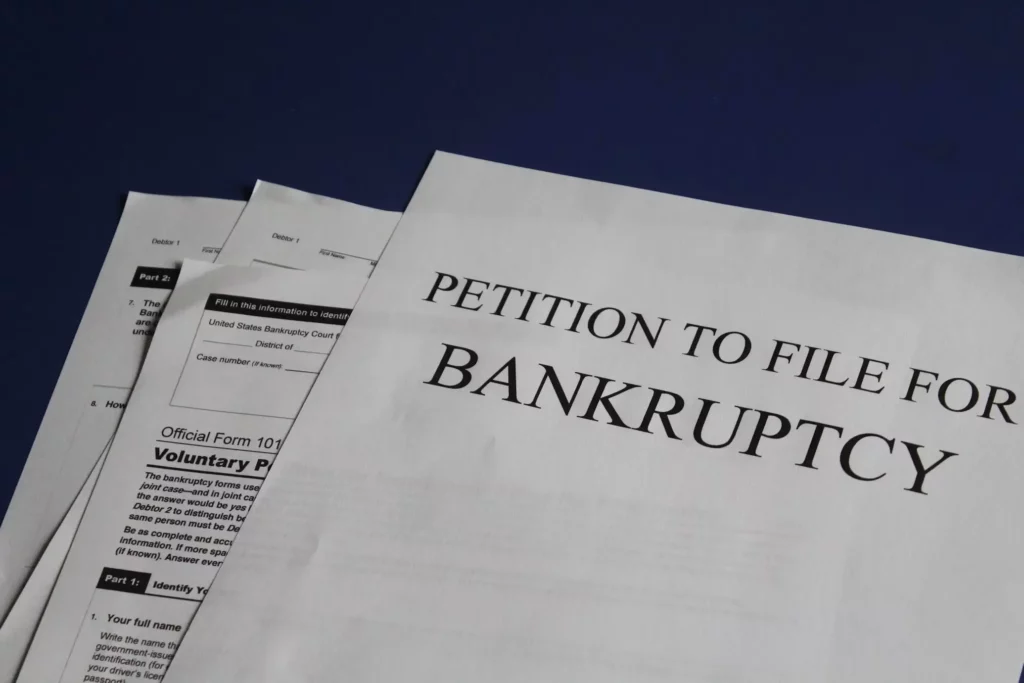
Bankruptcy in Thailand is a formal legal process governed by a specialized statutory framework designed to balance the rights of creditors with protections for debtors. While bankruptcy is often associated with financial failure, Thai law treats it as a structured mechanism to manage insolvency, preserve asset value, and ensure fair distribution among creditors. The process is highly procedural, court-driven, and document-intensive, making a clear understanding of the system essential for individuals, businesses, and foreign stakeholders operating in Thailand.
This article provides an in-depth analysis of bankruptcy in Thailand, covering its legal foundation, eligibility criteria, procedures, consequences, and practical considerations.
1. Legal framework governing bankruptcy
Bankruptcy proceedings in Thailand are governed primarily by the Bankruptcy Act B.E. 2483 (1940), as amended. The law is administered through the Central Bankruptcy Court, a specialized court with exclusive jurisdiction over bankruptcy and business rehabilitation cases.
Thai bankruptcy law applies to:
-
Individuals
-
Juristic persons (companies, partnerships)
-
Foreign debtors with assets or business operations in Thailand
The law distinguishes clearly between bankruptcy (liquidation) and business rehabilitation (reorganization).
2. Purpose and principles of bankruptcy law
The Thai bankruptcy system is built on several core principles:
-
Equal treatment of creditors
-
Preservation of asset value
-
Prevention of preferential or fraudulent transfers
-
Orderly liquidation under court supervision
Rather than allowing chaotic debt collection, bankruptcy centralizes enforcement and ensures transparency.
3. Who may file for bankruptcy
Creditors
A creditor may file a bankruptcy petition if:
-
The debtor is insolvent
-
The debt is definite and legally enforceable
-
The debt meets the statutory minimum threshold
Minimum debt thresholds generally differ between individuals and juristic persons.
Debtors
A debtor may also voluntarily file for bankruptcy if they are unable to meet their financial obligations. Voluntary filings are less common but are permitted under Thai law.
4. Insolvency under Thai law
Insolvency does not require complete cessation of business. A debtor is considered insolvent when they:
-
Cannot pay debts as they fall due, or
-
Have liabilities exceeding assets
Courts examine financial evidence, payment history, and creditor behavior to determine insolvency.
5. Jurisdiction and venue
Bankruptcy cases are filed with the Central Bankruptcy Court in Bangkok. This court has nationwide jurisdiction, regardless of where the debtor or assets are located within Thailand.
Foreign creditors and debtors may participate, but all proceedings are conducted in Thai, and foreign documents must be translated and legalized.
6. Bankruptcy petition process
Filing the petition
The petition must include:
-
Details of the debt and default
-
Evidence of insolvency
-
Identification of the debtor and creditors
Once filed, the court conducts a preliminary examination to determine whether the petition meets statutory requirements.
Court hearing
The court schedules a hearing where:
-
The petitioner presents evidence
-
The debtor may contest insolvency or liability
If the court is satisfied, it issues a receiving order.
7. Effect of a receiving order
A receiving order is a critical milestone in bankruptcy proceedings. Its effects include:
-
Suspension of individual enforcement actions
-
Prohibition on asset transfers by the debtor
-
Appointment of an Official Receiver
From this point, the debtor’s assets fall under court supervision.
8. Role of the Official Receiver
The Official Receiver is a government-appointed officer responsible for:
-
Identifying and securing assets
-
Examining the debtor
-
Managing creditor claims
-
Conducting asset liquidation
The Official Receiver plays a central role in ensuring fairness and transparency throughout the process.
9. Adjudication of bankruptcy
After the receiving order, the court may issue an absolute bankruptcy order if insolvency is confirmed. This formally declares the debtor bankrupt and initiates full liquidation.
For individual debtors, this stage has significant legal and personal consequences.
10. Creditor claims and ranking
Creditors must submit claims within prescribed deadlines. Claims are categorized and prioritized as follows:
-
Secured creditors (to the extent of collateral)
-
Preferential creditors (e.g., wages, certain taxes)
-
Unsecured creditors
Late or improperly filed claims may be rejected.
11. Asset liquidation and distribution
Assets are sold under the supervision of the Official Receiver. Proceeds are distributed according to statutory priority.
Thai law prohibits preferential payments made shortly before bankruptcy, and such transactions may be clawed back.
12. Rights and restrictions of bankrupt individuals
Once adjudicated bankrupt, an individual faces legal restrictions, including:
-
Prohibition from managing companies
-
Limitations on borrowing
-
Restrictions on leaving the country without permission
These restrictions remain until discharge.
13. Discharge from bankruptcy
An individual debtor may apply for discharge after meeting statutory conditions, including:
-
Passage of a minimum time period
-
Cooperation with the Official Receiver
-
Absence of fraudulent conduct
Discharge releases the debtor from remaining unpaid debts, subject to exceptions.
14. Bankruptcy of companies
For companies, bankruptcy results in:
-
Cessation of business operations
-
Liquidation of assets
-
Eventual dissolution of the legal entity
Company directors may face liability if misconduct or wrongful trading is proven.
15. Business rehabilitation as an alternative
Thai law provides business rehabilitation as an alternative to bankruptcy for qualifying debtors. Rehabilitation focuses on:
-
Restructuring debt
-
Continuing operations
-
Preserving enterprise value
Rehabilitation is often preferred for large or complex businesses.
16. Cross-border bankruptcy issues
International aspects may include:
-
Foreign creditors asserting claims
-
Overseas assets of Thai debtors
-
Recognition of foreign insolvency proceedings
Thai courts generally prioritize domestic proceedings but may coordinate in limited circumstances.
17. Common misconceptions about bankruptcy in Thailand
Frequent misunderstandings include:
-
Believing bankruptcy eliminates all debts immediately
-
Assuming informal debt settlements prevent bankruptcy filings
-
Underestimating personal restrictions imposed by bankruptcy
Thai bankruptcy law is strict and procedural.
18. Practical considerations and risk management
Individuals and businesses facing insolvency should:
-
Seek early legal advice
-
Avoid asset transfers that may be challenged
-
Maintain accurate financial records
-
Consider rehabilitation where viable
Proactive action can significantly affect outcomes.
19. Conclusion
Bankruptcy in Thailand is a structured legal process designed to manage insolvency in an orderly and equitable manner. While it imposes serious consequences on debtors, it also provides a clear framework for resolving unmanageable debt and protecting creditor rights.
Whether involving individuals, companies, or cross-border stakeholders, Thai bankruptcy proceedings demand strict compliance with statutory procedures and court oversight. Understanding the legal framework, consequences, and available alternatives is essential for navigating financial distress effectively and minimizing long-term risk under Thai law.
Related posts: