
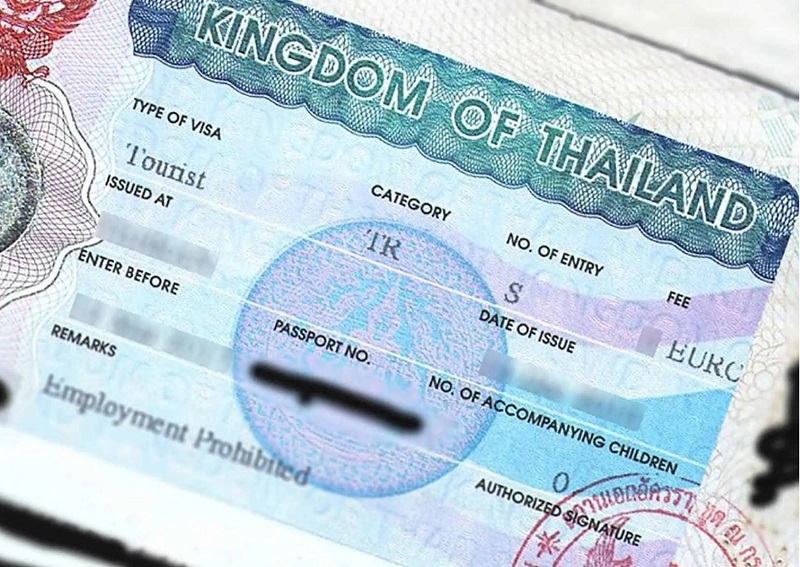
Business Visa in Thailand. Thailand is a major commercial hub in Southeast Asia, attracting entrepreneurs, investors, and professionals from around the world. Whether for attending meetings, exploring business opportunities, or working for a Thai company, foreign nationals must obtain the appropriate visa. The most common entry route for such activities is the Business Visa, formally known as the Non-Immigrant “B” Visa.
While often referred to as a “business visa,” this category serves multiple purposes, including short-term business visits and long-term employment. However, it is important to understand that holding a Non-Immigrant B Visa alone does not authorize employment—foreigners must still obtain a separate work permit to work legally.
This article provides an in-depth and detailed overview of the Business Visa in Thailand, including eligibility, application procedures, required documentation, permitted activities, work permit integration, and compliance requirements.
What Is a Business Visa?
The Business Visa (Non-Immigrant B Visa) is issued to foreigners who intend to enter Thailand for business-related purposes.
Common Uses
- attending business meetings or conferences
- exploring investment opportunities
- conducting market research
- managing or working for a company in Thailand (with work permit)
Types of Business Visa
1. Single-Entry Non-Immigrant B Visa
Key Features
- valid for 90 days
- allows one entry into Thailand
- suitable for short-term business visits
2. Multiple-Entry Non-Immigrant B Visa
Key Features
- valid for 1 year
- allows multiple entries
- each entry permits up to 90 days stay
This is suitable for frequent business travelers.
Eligibility Requirements
Applicants must meet certain criteria.
1. Valid Passport
- at least 6 months validity
- sufficient blank pages
2. Purpose of Visit
Applicants must clearly demonstrate a legitimate business purpose.
3. Supporting Documentation
- invitation letter from a Thai company
- company registration documents
- proof of business activities
4. Financial Stability
Applicants may need to show:
- sufficient funds
- financial statements
Application Process
Step 1: Prepare Documents
Typical documents include:
- completed visa application form
- passport
- photographs
- invitation letter from Thai company
- company registration documents
- financial proof
Step 2: Submit Application
Applications are submitted to:
- Thai embassy or consulate abroad
- e-visa system (where available)
Step 3: Processing
Processing times usually range from:
- 3 to 10 working days
Step 4: Entry into Thailand
Once approved, the applicant may enter Thailand under the visa conditions.
Permitted Activities
Without Work Permit
- attend meetings
- participate in conferences
- negotiate contracts
- explore business opportunities
With Work Permit
- perform employment duties
- manage business operations
- receive salary in Thailand
Work Permit Requirement
A Business Visa does not automatically allow employment.
Key Rule
- a work permit is required for any form of work
The work permit is governed by the Foreign Workers Employment Act.
Visa Extension and Conversion
Extension Within Thailand
A 90-day visa can be extended to:
- 1 year, subject to employment or business requirements
Requirements for Extension
- valid work permit (if working)
- company documentation
- proof of income and tax compliance
Re-Entry Permits
If leaving Thailand:
- a re-entry permit is required to keep the visa valid
Employer Requirements
For employment-based visas, the sponsoring company must meet criteria.
Typical Requirements
- registered Thai company
- minimum capital requirements
- appropriate business licenses
- compliance with labor laws
Compliance Obligations
1. 90-Day Reporting
Foreigners must report their address every 90 days to immigration authorities.
2. Work Permit Compliance
Must perform only authorized duties.
3. Visa Validity
Must renew visa before expiration.
4. Tax Compliance
Employees must comply with Thai tax regulations.
Common Challenges
1. Documentation Errors
Incomplete documents can delay approval.
2. Misunderstanding Work Authorization
Working without a permit is illegal.
3. Changing Employers
Requires new visa and work permit.
4. Immigration Compliance
Failure to report or renew can result in penalties.
Advantages of Business Visa
- facilitates entry for business activities
- allows transition to work permit
- flexible options (single or multiple entry)
- supports long-term employment
Limitations
- does not allow work without permit
- requires employer sponsorship
- subject to compliance obligations
Comparison with Other Visas
Tourist Visa
- short-term travel only
- no business or work activities
Retirement Visa
- for individuals aged 50+
- no employment allowed
Smart Visa
- for highly skilled professionals
- fewer administrative requirements
Best Practices
To ensure smooth processing and compliance:
- prepare complete documentation
- verify employer qualifications
- apply for work permit promptly
- comply with immigration rules
- maintain accurate records
Conclusion
The Business Visa (Non-Immigrant B Visa) is a key entry pathway for professionals and entrepreneurs seeking to engage in business activities in Thailand. While it provides access to business opportunities, it must be used in conjunction with a work permit for employment purposes.
Understanding visa conditions, documentation requirements, and compliance obligations is essential to avoid legal issues. With proper planning and adherence to regulations, the Business Visa can serve as a gateway to professional success and long-term opportunities in Thailand’s dynamic business environment.